Home Battery Without Solar Panels: Is It Worth It in 2026?
Written by the Sunvolt Home team. Last updated 27 November 2026.
Yes, you can fit a home battery without solar panels, and for some homes it makes good financial sense. The battery charges from the grid when electricity is cheap, usually overnight, and you use that stored power later in the day instead of paying the full rate. Whether it pays off depends almost entirely on one thing: the gap between your cheap rate and your normal rate.
This guide explains how a home battery without solar works, what it costs, who it suits, and when you’d be better off spending the money elsewhere.
Can you have a home battery without solar panels?
You can. The Energy Saving Trust is clear on this: a battery doesn’t need solar to be useful, and it can be paired with a smart time-of-use tariff “to buy electricity when it’s cheap, and avoid the peak rates that some tariffs have” (Energy Saving Trust).
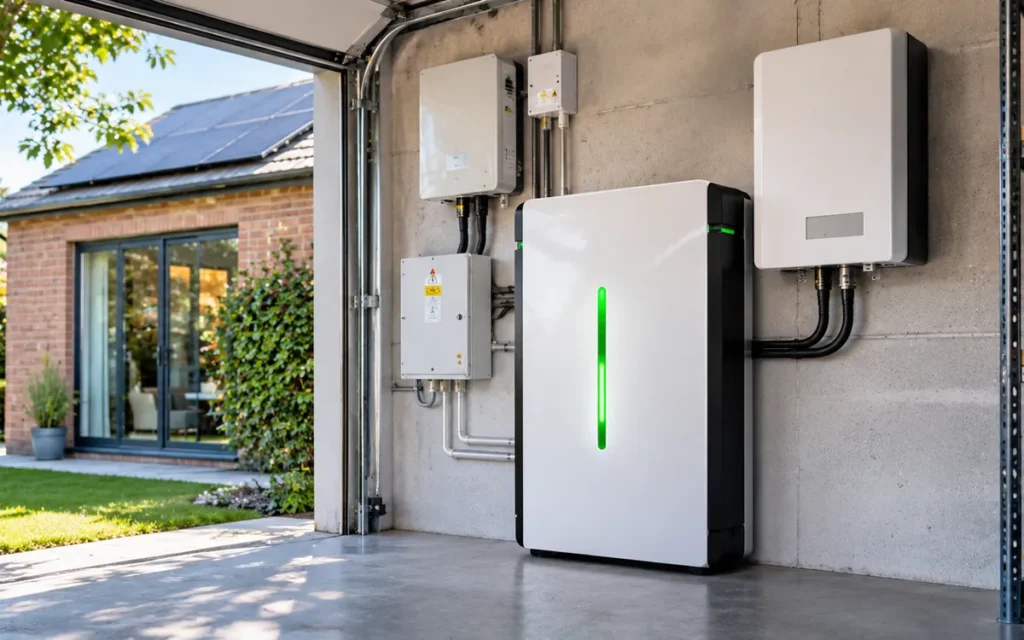
A home battery without solar uses the same kit as a solar battery. You get a battery unit, an inverter (often built in), and a control system that decides when to charge and when to discharge. The only real difference is where the energy comes from. Instead of daytime sunshine, it fills up from the grid during your tariff’s off-peak window.
How a home battery without solar saves money
The idea is simple. Buy electricity when it’s cheap, store it, and use it when it’s expensive.
- Overnight: your battery charges during the off-peak hours your tariff sets, often a block of four to seven hours after midnight.
- Morning and evening: the house runs from the battery, up to the battery’s power output, so you buy less at the day rate.
- When it’s empty: the house goes back to grid power automatically. You won’t notice the switch.
The Energy Saving Trust describes the same cycle for homes without solar: the system stops charging when the battery is full, then discharges once the cheap period ends.
A worked example (illustrative figures)
From 1 January 2027 the Ofgem price cap for electricity paid by Direct Debit is 32.69p per kWh on average across Great Britain (Ofgem). Suppose you fit a home battery without solar and your tariff gives you an overnight rate of 8p per kWh and your daytime rate stayed close to the cap. These are example numbers, not a quote.
- You charge 10 kWh overnight at 8p: about £0.80.
- Some energy is lost charging and discharging, so say you get roughly 9 kWh back. Check the round-trip efficiency on your battery’s datasheet.
- Buying that 9 kWh at 32.69p would cost about £2.94.
- The difference is roughly £2.14 for that day.
That only holds if you actually use those 9 kWh during dearer hours. A small flat that uses 5 kWh a day in total won’t use a 10 kWh battery fully. And many time-of-use tariffs charge more than the price cap during the day, which can work for or against you. Run your own numbers with real tariff rates before you buy a home battery without solar.
What a home battery without solar costs
The Energy Saving Trust puts battery prices at anywhere from £1,500 to £10,000, with a 5 kWh system costing around £4,600. The price depends on capacity, the brand, whether an inverter is included, and how complicated the installation is.
Two things bring the cost down at the moment:
- 0% VAT. Home batteries fitted in homes are zero-rated for VAT until 31 March 2027, including batteries fitted on their own, not just alongside solar (GOV.UK). Our guide to VAT on solar panels and batteries covers the detail.
- Help through the Warm Homes Plan. Low-income households may qualify for fully funded upgrades, and homeowners can apply for low-interest loans. See our page on government-backed loans.
For a closer look at prices by size, read our solar battery storage guide.
Who a home battery without solar suits
It tends to work best if most of these describe your home:
- You use a fair amount of electricity in the evening and early morning.
- You can’t fit solar panels, perhaps because the roof faces north, is heavily shaded, or you live in a listed building.
- You already have, or can switch to, a tariff with a cheap overnight window and a clear price gap.
- You have an electric vehicle or heat pump, which pushes your usage up. The Energy Saving Trust notes that a battery can save more running a heat pump than storing spare solar.
- You want some protection in a power cut. This needs a battery with a backup or EPS function, which not every system has. Our page on battery backup for power cuts explains what to look for.
When it probably isn’t worth it
Be cautious if your electricity use is low, if you can’t get a tariff with a meaningful cheap rate, or if you rely on electric storage heaters. The Energy Saving Trust says a battery big enough for regular electric heating would be around three times as big, and three times as expensive. In that case, better insulation or a heat pump usually comes first.
Battery only vs solar and battery
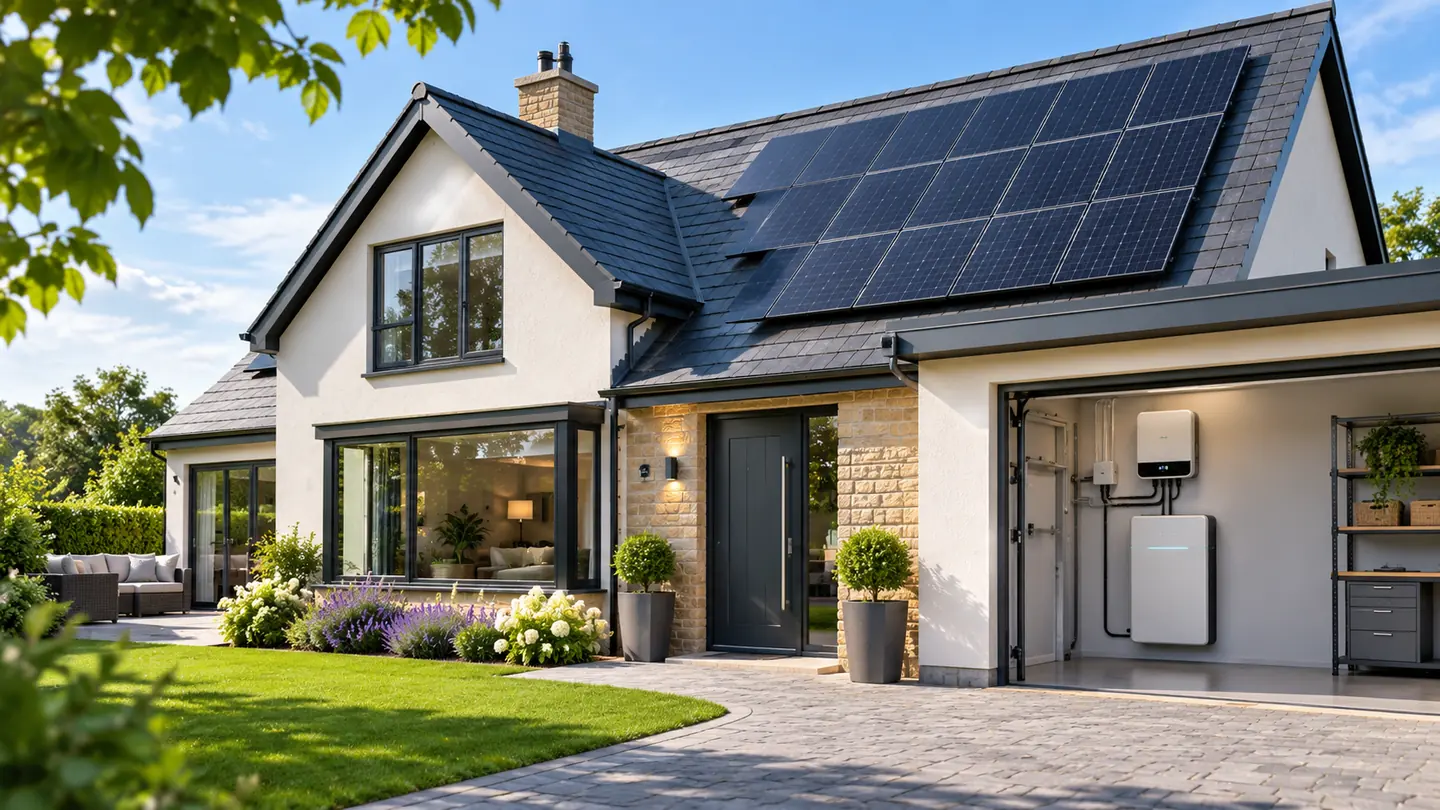
If your roof is suitable, it’s worth comparing both options before you commit.
- Home battery without solar: lower upfront cost, no roof work, savings come entirely from the tariff price gap. It also works in winter as well as summer, because the overnight rate doesn’t depend on the weather.
- Solar plus battery: higher cost, but in spring and summer you’re storing free electricity rather than paid-for electricity. Over a year that usually gives bigger savings than a battery alone.
- Battery now, solar later: perfectly sensible. If you think you’ll add panels later, choose a battery and inverter that can take solar, often called a hybrid inverter, so you’re not replacing kit.
Our guide on how solar and battery storage work together goes into more detail, and you can try different set-ups with our solar payback calculator.
Sizing a home battery without solar
With a home battery without solar, bigger isn’t automatically better. A battery you only half fill each night costs more and earns no more. Start with your bills:
- Find your yearly electricity use in kWh on your annual statement.
- Divide by 365 to get a daily figure.
- Estimate how much of that you use outside the cheap window. For many homes it’s most of it.
- Look at the battery’s usable capacity, not the headline figure, and at its power output in kW. Output limits how many appliances it can run at once.
We cover this step by step in choosing your home battery capacity.
Things to check before you buy
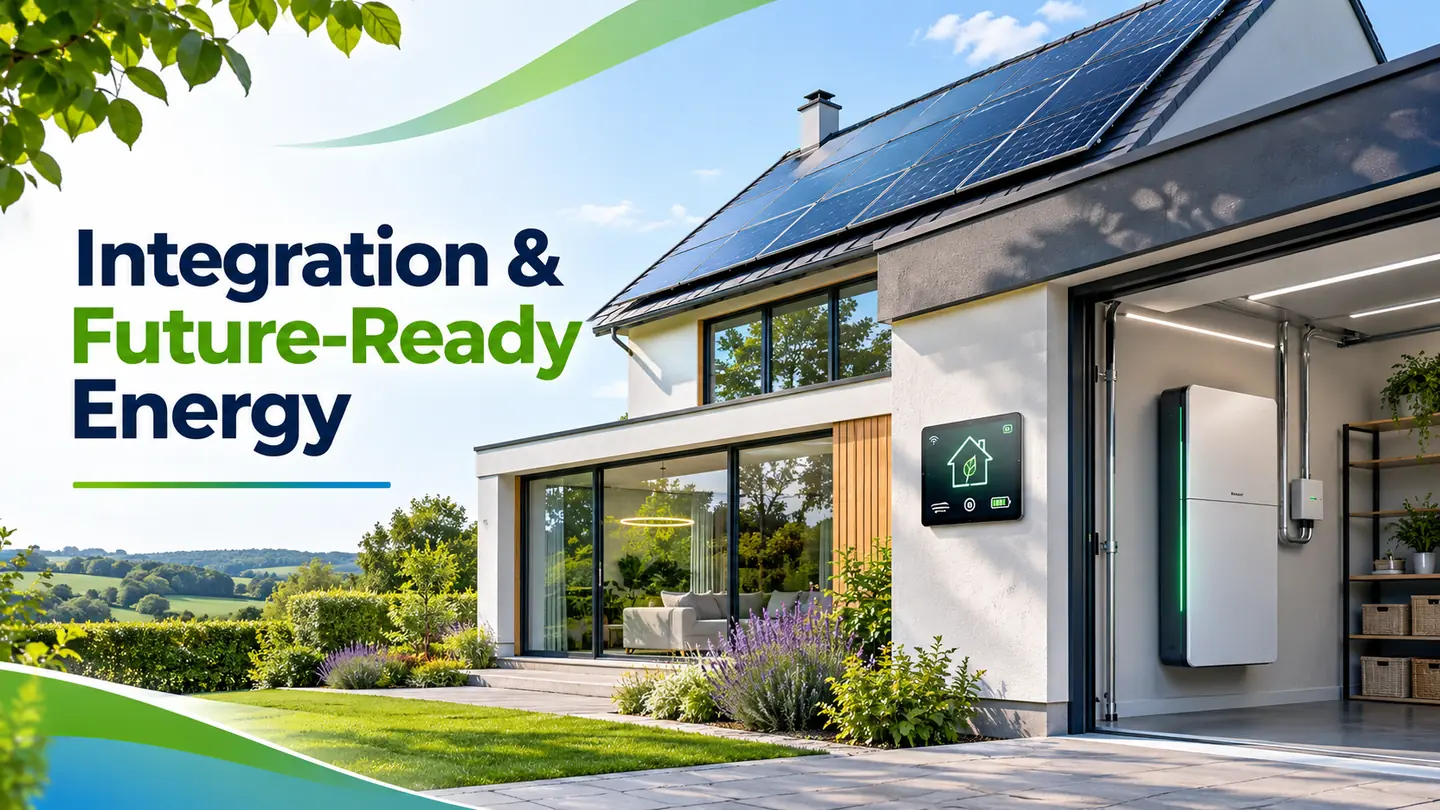
- A smart meter. Time-of-use tariffs need a smart meter that records half-hourly readings.
- Tariff rules. Our guide to time-of-use tariffs explains the options. Some overnight tariffs are only open to electric vehicle owners. Others are open to any home. Check the eligibility, off-peak hours, day rate, standing charge and exit fee.
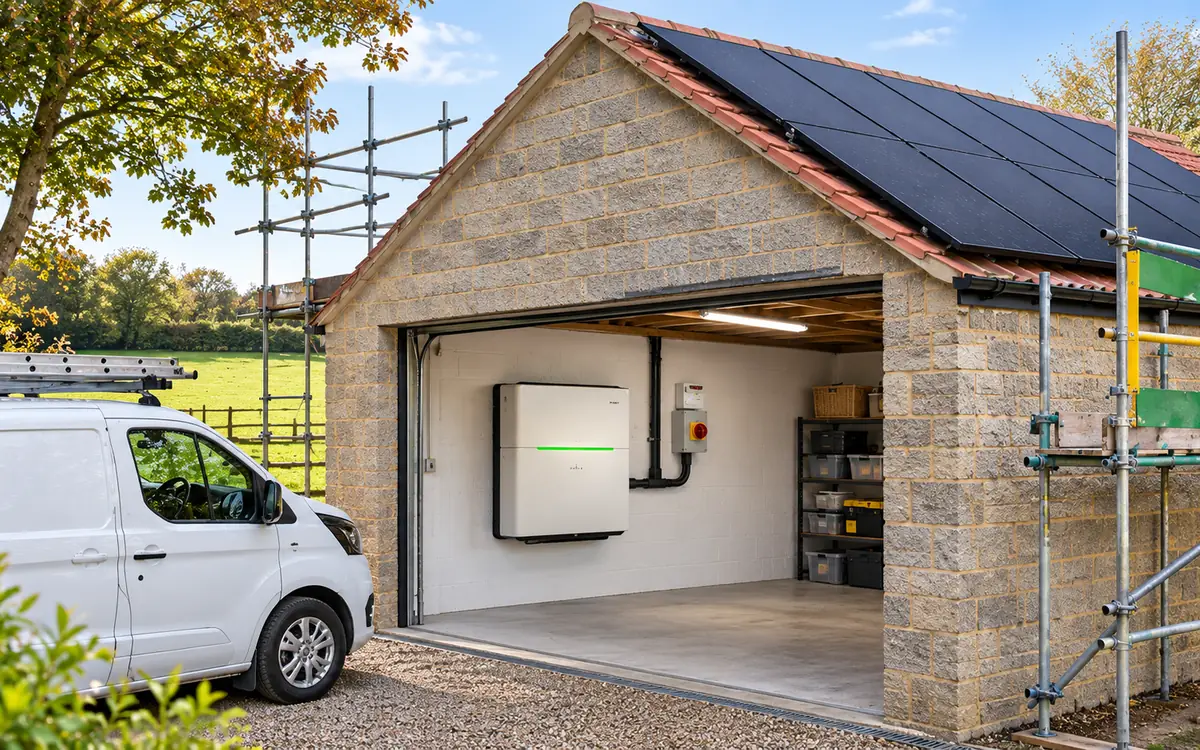
- Space and location. Batteries usually go in a garage, utility room or on an outside wall. The installer should check ventilation, temperature and access.
- Warranty. Look at the warranty length and how much capacity the battery is guaranteed to keep. The Energy Saving Trust puts a typical lifespan at about 10 to 12 years.
- Who controls it. Some battery offers let the supplier control charging in return for a cheaper rate. That can be fine, but read the terms.
Home battery without solar FAQs
Is a home battery without solar worth it?
It can be, if you have a tariff with a cheap overnight rate, use a good share of your electricity outside that window, and size the battery to match. If the gap between your rates is small or your usage is low, the savings may not cover the cost within the battery’s life.
Can I use Economy 7 with a battery?
Yes. Economy 7 is a multi-rate tariff with a cheaper night rate, and a battery can charge during those hours. Newer smart tariffs often have a bigger price gap, so it’s worth comparing before you settle on Economy 7.
Will a home battery without solar work in a power cut?
Only if it has a backup or emergency power function and is wired for it. Many batteries shut down in a power cut for safety unless backup is included.
Can I add solar panels later?
Usually, yes. Many people start with a home battery without solar and add panels later. Choosing a hybrid inverter now makes adding panels later simpler and cheaper.
Do I need planning permission for a home battery?
An indoor battery normally doesn’t need planning permission. Listed buildings and some external installations can be different, so check if that applies to you.
Get an honest answer for your home
At Sunvolt Home we fit home batteries, with or without solar, across the North East and Yorkshire. We’ll look at your bills and your tariff, and tell you plainly whether a home battery without solar is worth it for your home. Our smart battery storage page explains the systems we fit.
Book a free home survey and quote or call us on 0330 057 7202.