Time-of-Use Tariffs Explained: Charging a Home Battery on Cheap Overnight Electricity

Written by the Sunvolt Home team. Last updated 27 November 2026.
A time-of-use tariff charges different prices for electricity at different times of day. Electricity is cheaper overnight or at other quiet times, and dearer at busy times, especially late afternoon and early evening. If you can move your usage into the cheap hours, your bills can come down. A home battery is the easiest way to do that, because it shifts the energy for you.
Here’s how a time-of-use tariff works, how they compare with Economy 7 and the price cap, and how to tell whether one would suit your home.
What is a time-of-use tariff?
On a standard single-rate tariff you pay the same price per kWh at 3am as at 6pm. A time-of-use tariff splits the day into two or more price bands. They come in a few broad types:
- Two-rate overnight tariffs. A cheap block overnight and one higher rate for the rest of the day. Economy 7 is the oldest example.
- Peak-avoidance tariffs. Three or more bands, with a noticeably higher rate at peak times, typically late afternoon to evening.
- EV tariffs. Built around overnight car charging. Many give a cheap rate for the whole house during those hours, but some are only open to people who own an electric vehicle.
- Dynamic or agile tariffs. Prices change every half hour based on wholesale costs and are published a day ahead.
Apart from Economy 7, these tariffs need a smart meter that records half-hourly readings, because your supplier has to know when you used the electricity.
Time-of-use tariffs vs Economy 7
Economy 7 gives seven hours of cheaper electricity at night. It was designed for storage heaters and hot water cylinders, and it still works with an older meter. Ofgem notes that on multi-rate tariffs like this, the peak and off-peak rates together can’t exceed the price cap (Ofgem).
Smart time-of-use tariffs often have a wider gap between cheap and expensive hours than Economy 7. That gap is what makes a battery pay. The trade-off is that the day rate, and sometimes the peak rate, can be higher than you’d pay on a standard tariff. If most of your electricity is used during the day and you have no way to shift it, a time-of-use tariff can cost you more.
How the price cap fits in
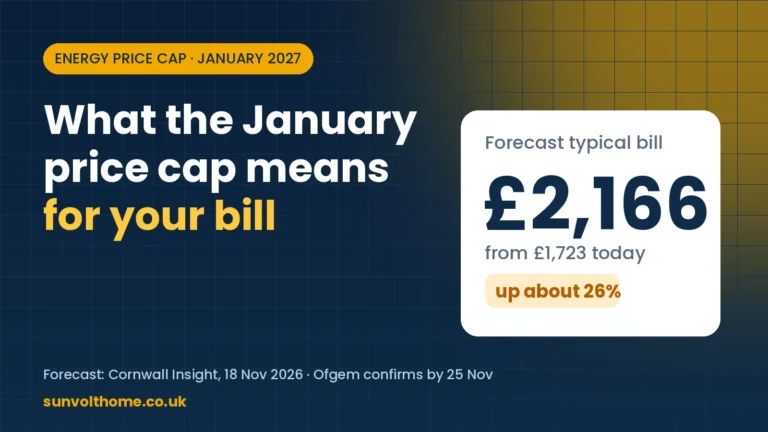
The Ofgem price cap limits the unit rate and standing charge suppliers can charge on standard variable tariffs. It isn’t a cap on your total bill. From 1 January to 31 March 2027 the average cap for electricity paid by Direct Debit is 32.69p per kWh with a standing charge of 54.77p a day, up from 26.32p per kWh between October and December 2026. Rates vary by region.
A higher cap makes cheap overnight electricity more valuable. Every unit you buy at night and use at teatime instead of buying at the full rate saves you a bit more than it did before. Our article on the January 2027 energy price cap looks at what the rise means for household bills.
Examples of overnight tariffs
Tariffs change often, so treat these as examples of how they’re built rather than a ranking. Always check the current rates for your postcode on the supplier’s own site.
- Intelligent Octopus Go advertises smart car charging from 6.5p per kWh and a cheaper rate for the whole home for six hours each night, between 23:30 and 05:30. It’s designed around eligible electric cars and chargers (Octopus Energy).
- Octopus Go gives cheaper electricity between 00:30 and 05:30, and Octopus asks that you have an electric car you charge at home (Octopus Energy).
- Battery and heat pump tariffs. Several suppliers run tariffs aimed at homes with a battery or heat pump, and some are open to households without an electric car. Eligibility, off-peak hours, standing charges and exit fees differ a lot.
If you don’t own an electric car, check eligibility first. Some of the cheapest overnight rates aren’t open to you.
How to charge a home battery overnight
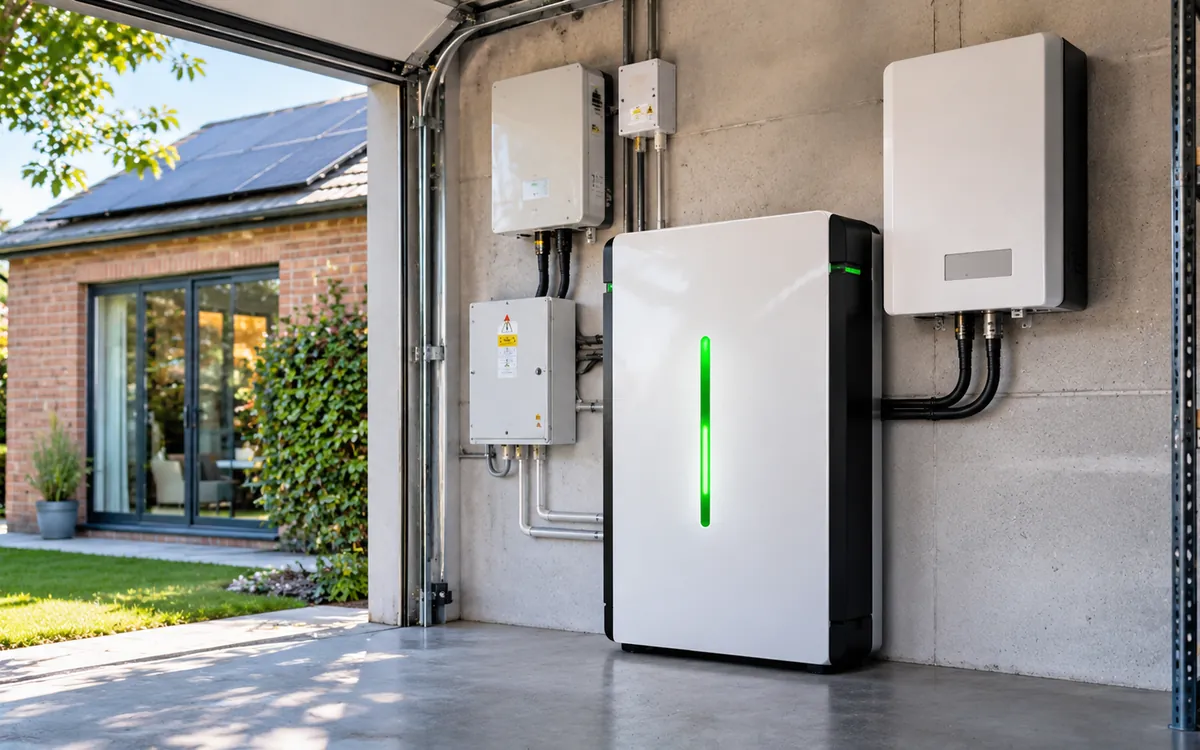
Once your battery and time-of-use tariff are in place, the set-up is usually done in the battery’s app:
- Enter your off-peak hours. Set the battery to charge from the grid only during the cheap window.
- Set a charge target. In winter you might charge to 100%. In summer, if you have solar, you might charge less overnight so the panels can top it up during the day.
- Keep a reserve. If your battery has backup power, keep some charge in reserve in case of a power cut.
- Check it after a week. Compare your half-hourly usage with what the battery did. Most people adjust the settings once or twice.
Some batteries and tariffs work together automatically, with the supplier or battery software choosing when to charge. That’s convenient, but check what control you’re giving up.
A worked example (illustrative figures)
Say your tariff has an overnight rate of 7p per kWh and a day rate of 30p. These are example figures. Your battery stores 9 kWh you can use, and you use all of it in the evening.
- Charging about 10 kWh overnight, allowing for some losses, costs about £0.70.
- Buying the same 9 kWh at the day rate would cost £2.70.
- That’s about £2 saved on that day, before standing charges, which you pay either way.
On days you don’t use the stored energy, or if your day rate is lower than you expected, the saving shrinks. Our solar payback calculator lets you try your own figures.
Who a time-of-use tariff suits
It tends to work well if you:
- have a home battery, an electric car, or a heat pump that can run at cheaper times
- use a lot of electricity in the evening
- are happy to run the dishwasher or washing machine on a timer
It’s less likely to help if you’re home all day running heating or equipment at the day rate, and you have no battery or other way to shift that usage.
Common mistakes to avoid
- Looking only at the cheap rate. A very low night rate with a high day rate and standing charge can still cost more overall.
- Forgetting exit fees. Fixed tariffs often charge you to leave early.
- Oversizing the battery. If you can’t use it all each day, you’ve paid for capacity that sits idle. Read choosing your home battery capacity.
- Assuming the battery works in a power cut. Only batteries with a backup function do. See battery backup for power cuts.
Time-of-use tariff FAQs
What is the cheapest overnight electricity tariff?
It changes often and depends on your region and whether you own an electric car. Compare the overnight rate, day rate, standing charge and exit fee together, then work out the cost using your own usage.
Do I need a smart meter for a time-of-use tariff?
Yes. Smart time-of-use tariffs need a smart meter that sends half-hourly readings. Economy 7 can run on an older two-rate meter.
Can I get an EV tariff without an electric car?
Some suppliers allow it and some don’t. Read the eligibility rules before you switch.
Is a time-of-use tariff worth it without a battery?
It can be, if you can move a lot of your usage, such as car charging or laundry, into the cheap hours. Without a battery, most homes still use a lot of electricity at the day rate.
Does the price cap apply to time-of-use tariffs?
The cap applies to standard variable tariffs, including multi-rate ones like Economy 7. Many smart and fixed tariffs aren’t covered by the cap, so compare them carefully.
Make the most of cheap overnight electricity
A battery is what turns a time-of-use tariff and its cheap overnight rate into savings across the whole evening. At Sunvolt Home we fit smart battery storage on its own or with solar panels across the North East and Yorkshire. If you’re thinking of a battery without panels, read our guide to a home battery without solar panels.
Get a free battery storage quote or call us on 0330 057 7202.