Solar energy myths explained
By Sunvolt Home 5 min read Updated 15 November 2026 Solar Energy

Solar energy myths spread fast, so here are plain answers to the ones we hear most from homeowners in the North East.
Cloudy weather, power cuts, maintenance and ‘free solar’: separating common myths from the facts.
Key points
- UK daylight is enough for solar to be useful.
- Grid-connected systems switch off in a power cut unless designed for backup.
- Be wary of 'free solar' offers: check exactly what is being offered.
Myth: solar does not work in the UK
Panels generate from daylight, not heat. The UK has less sunshine than southern Europe, but solar systems here still produce useful amounts of electricity across the year, with most generation from spring to early autumn.
This is one of the oldest solar energy myths. Germany, with sunshine levels not far from ours, has had large amounts of rooftop solar for years. In the UK, a typical home system produces most of its yearly output between April and September, but it keeps generating, at a lower level, through the rest of the year.
Myth: panels do not work when it is cloudy
Output falls under heavy cloud but does not stop. Bright, cool days can be very productive.
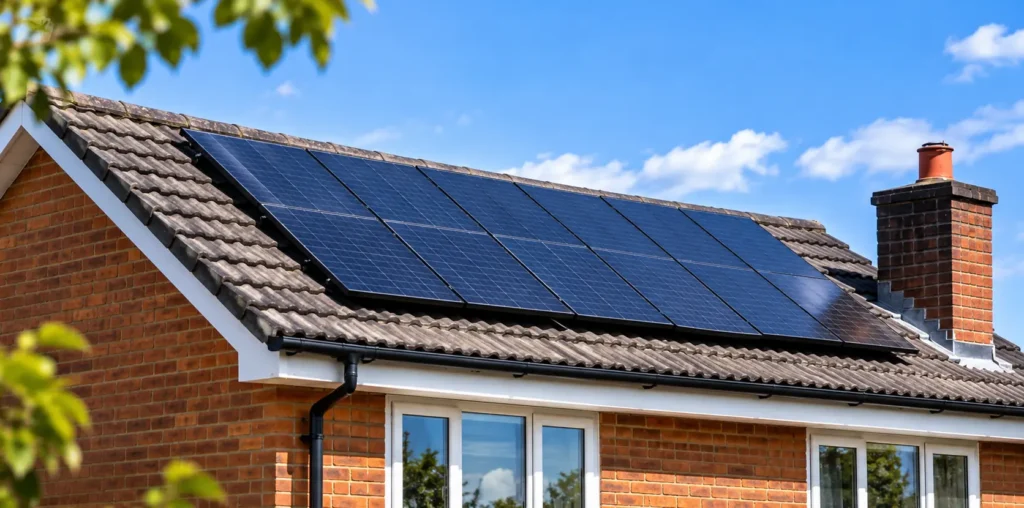
Cold, bright days can actually be some of the best for output, because panels work more efficiently when they are cool. Like many solar energy myths, this one confuses heat with light.
Myth: solar keeps the lights on in a power cut
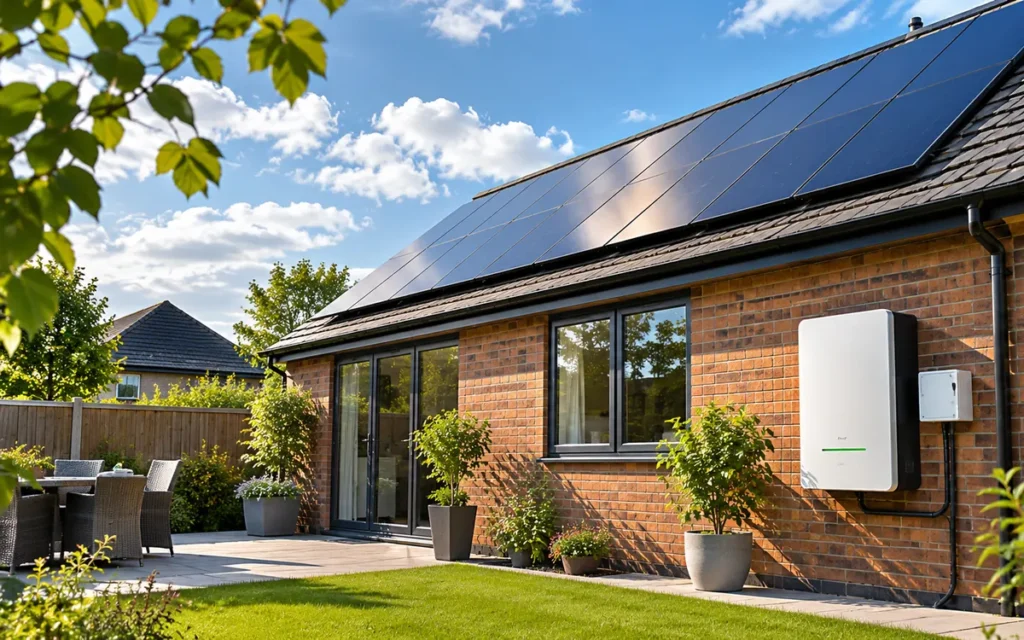
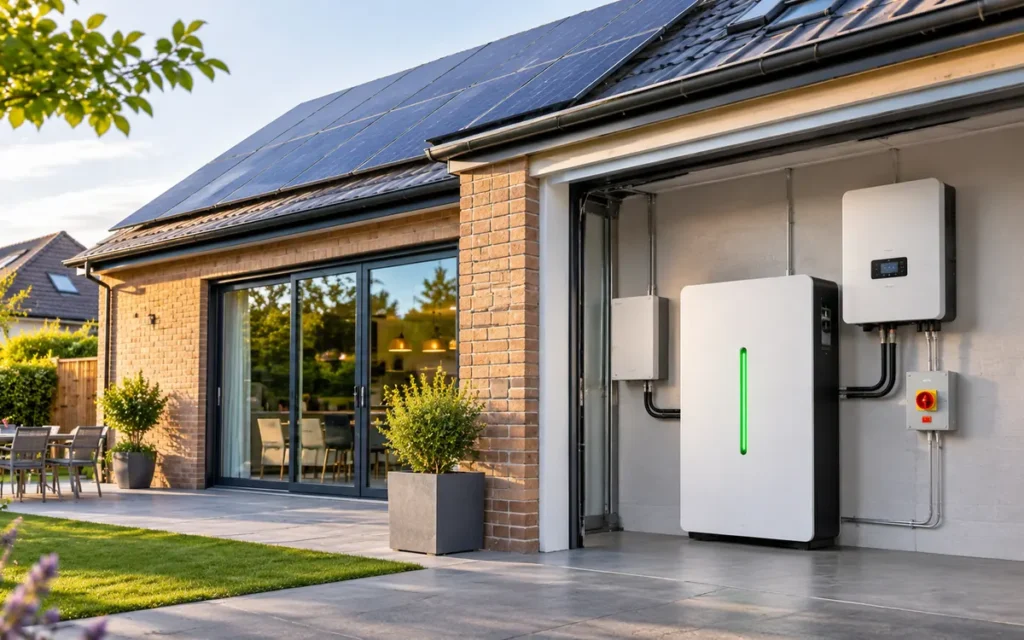
A standard grid-connected system shuts down when the grid fails, for safety. Backup needs a battery and inverter designed for it.
If backup power matters to you, ask specifically about it at the survey stage, as not every battery and inverter offers it.
Myth: panels need constant cleaning and maintenance
Rain cleans most pitched-roof panels adequately in the UK. Periodic visual checks and monitoring are usually enough, with professional inspection if output drops. See looking after solar panels.
A quick look at your monitoring app every week or two is the best maintenance habit. It is far more useful than the solar energy myths about regular scrubbing.
Myth: solar is free
Some low-income households can get funded improvements through official schemes, but most installations are paid for privately. Offers described as ‘free solar’ sometimes involve leases, roof rental or loans.
For everyone else, there is real help with cost, from 0% VAT to low-rate loans, but no catch-free free panels. Treat offers that sound too good with caution, as they often recycle old solar energy myths to win trust.
Myth: you always need planning permission
Many roof-mounted systems on houses in England are permitted development, but there are conditions and exceptions. See our planning permission guide.
More solar energy myths: roofs, planning and resale

Myth: only a south-facing roof will do. South is best, but east and west roofs still work well, typically producing somewhat less across the day. North-facing roofs are usually a poor fit. A survey tells you what your roof can actually produce.
Myth: you always need planning permission. Most rooftop solar on houses in England counts as permitted development, so no application is needed. Listed buildings, some conservation areas and flat roofs have extra rules. The Planning Portal explains the details.
Myth: panels damage your roof. A proper installation uses mounting hooks that sit under the tiles, and the installer checks the roof condition first. Problems usually come from poor workmanship, which is why an MCS certified installer matters.
Myth: panels only last ten years. Many panels come with performance warranties of around 25 years. The inverter is the part most likely to need replacing during that time.
Myth: solar makes a house harder to sell. Owned panels are generally seen as a plus. The thing to watch is leased or rent-a-roof systems, which can complicate a sale. These solar energy myths often come from older schemes rather than how systems are sold today.
Solar energy myths about money and payback

Money is where solar energy myths do the most damage, because they lead people to wait or to overspend.
- Myth: solar only pays if you export lots. The opposite is usually true. Electricity you use yourself saves you the full unit price, while exported power earns a lower Smart Export Guarantee rate.
- Myth: you must have a battery. You do not. A home battery helps if you use most of your power in the evening, but plenty of homes start with panels alone.
- Myth: prices will keep falling, so wait. Every year you wait is a year of full-price bills. VAT on solar is currently 0% until 31 March 2027, after which it is due to rise.
- Myth: payback takes forever. It depends on your system cost, usage and tariff. Our solar payback calculator gives a realistic estimate for your home.
If cost is the barrier, our government-backed loans page explains the new low-rate finance. The best way to cut through solar energy myths is simple: get a proper survey and look at the numbers for your own roof.
Frequently asked questions
Do solar panels work in snow?
Snow on panels blocks light until it slides off or melts. Panels often clear faster than the rest of the roof.
Will panels make my home hotter or colder?
Not noticeably. They can slightly shade the roof covering beneath them.
Thinking about this for your home? We will assess your property before recommending anything. Prefer email? info@sunvolthome.co.uk
Official sources and further reading
Information checked on 25 October 2026. Rules, rates and schemes change; always confirm current details with the official source.