Pros and cons of solar panels in the UK
By Sunvolt Home 4 min read Updated 15 November 2026 Solar Energy

Weighing up the pros and cons of solar panels is easier when you look at your own home rather than national averages.
A balanced view: what solar does well, where it falls short, and the questions that decide whether it suits your home.
Key points
- Solar can reduce the electricity you buy and earn export payments.
- The upfront cost and seasonal output are the main drawbacks.
- Suitability depends on your roof, usage pattern and tariff.
Advantages
- Lower electricity purchases: electricity you generate and use yourself is electricity you do not buy
- Export payments: surplus can earn a payment under the Smart Export Guarantee
- Lower carbon electricity for your home
- Low maintenance: no moving parts, although inverters usually need replacing during the system’s life
- Pairs well with batteries
- 0% VAT on installation until 31 March 2027 (see our VAT guide)
For most homes, these savings are the biggest item on the plus side of the pros and cons of solar panels.
Disadvantages
- Upfront cost: a system is a significant investment, and payback depends on your use and tariff
- Seasonal output: winter generation is a fraction of summer generation
- Daytime generation: without a battery, much of it may be exported if you are out during the day
- Roof suitability: shading, orientation or roof condition can limit what is worthwhile
- Inverter replacement is likely to be needed at some point
Questions that decide whether solar suits you
- How much electricity do you use, and when?
- Which way does your roof face, and is it shaded?
- How long do you expect to stay in the property?
- Are you planning an electric car or electric heating?
- What export tariff is available to you?
Honest answers to these questions matter more than headline claims. We will tell you if solar does not look worthwhile for your home.
Your answers shape the pros and cons of solar panels for your home far more than any national average.
Who tends to benefit most
- Households at home during the day, who use more solar directly
- Larger households with higher electricity use
- Homes planning a battery or other electric upgrades
Who should think twice
- You expect to move within a few years
- Your roof faces north or is heavily shaded
- Your roof needs replacing soon: replace it first
- Your electricity use is very low
- Your home is listed, or you are a leaseholder who needs permission: check first
Appearance
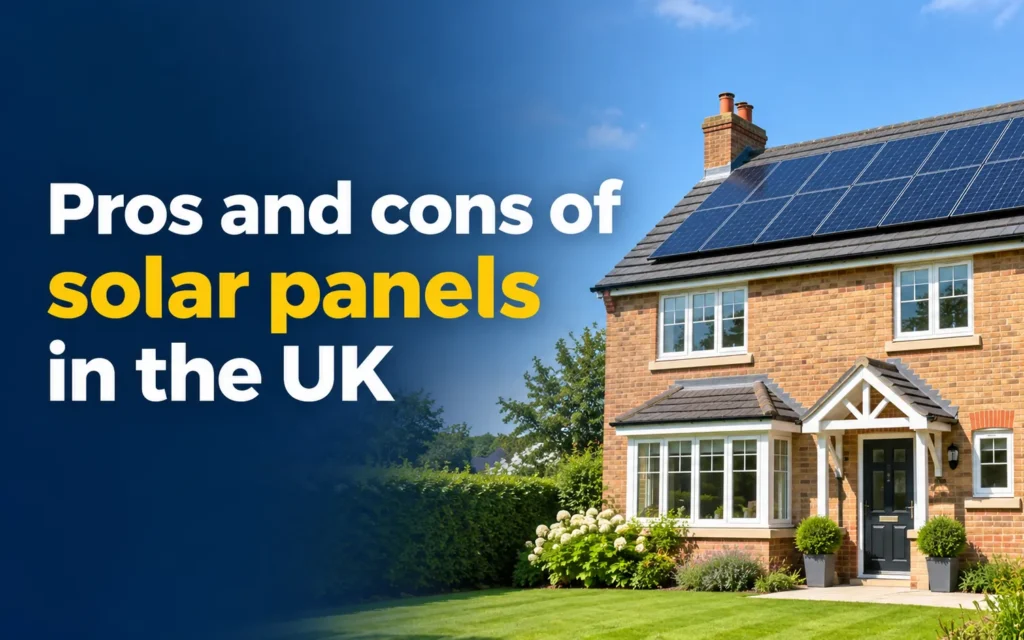
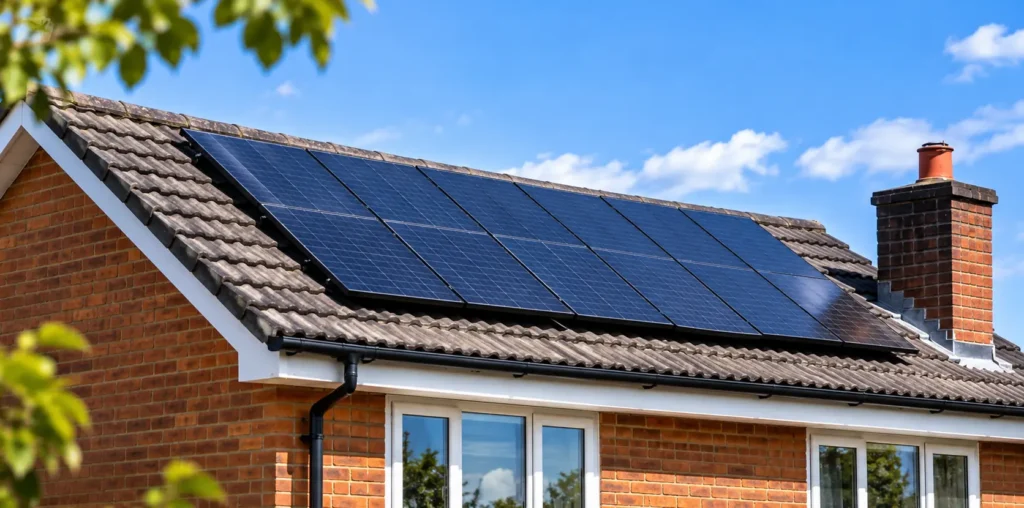
Panels change the look of a roof. All-black panels and tidy layouts are less noticeable, and in conservation areas and on listed buildings there are extra rules. See our planning guide.
Looks are a personal call, but they are a fair part of the pros and cons of solar panels for many people.
Pros and cons of solar panels for different homes

- Families at home in the day use more of their own solar, so the savings are bigger.
- Homes empty all day export more, so a battery often makes a bigger difference.
- Shaded or north-facing roofs are the main case where the cons can outweigh the pros.
- People planning to move soon should consider how long they will benefit, although owned panels can be a plus when selling.
The pros and cons of solar panels are not fixed. They depend on your roof, your habits and your tariff, which is why a survey matters.
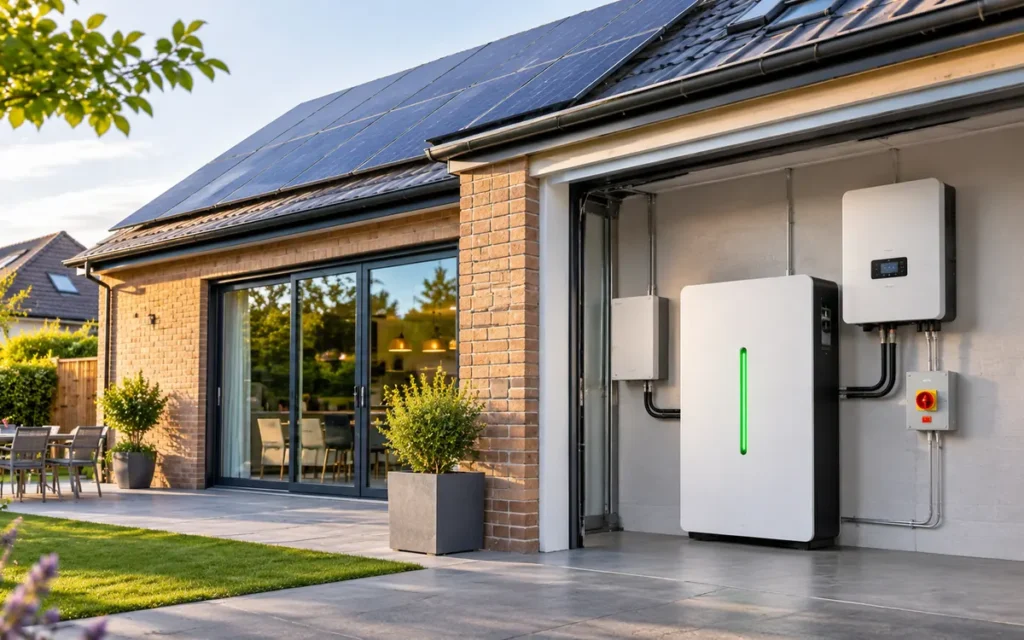
Pros and cons of solar panels with a battery

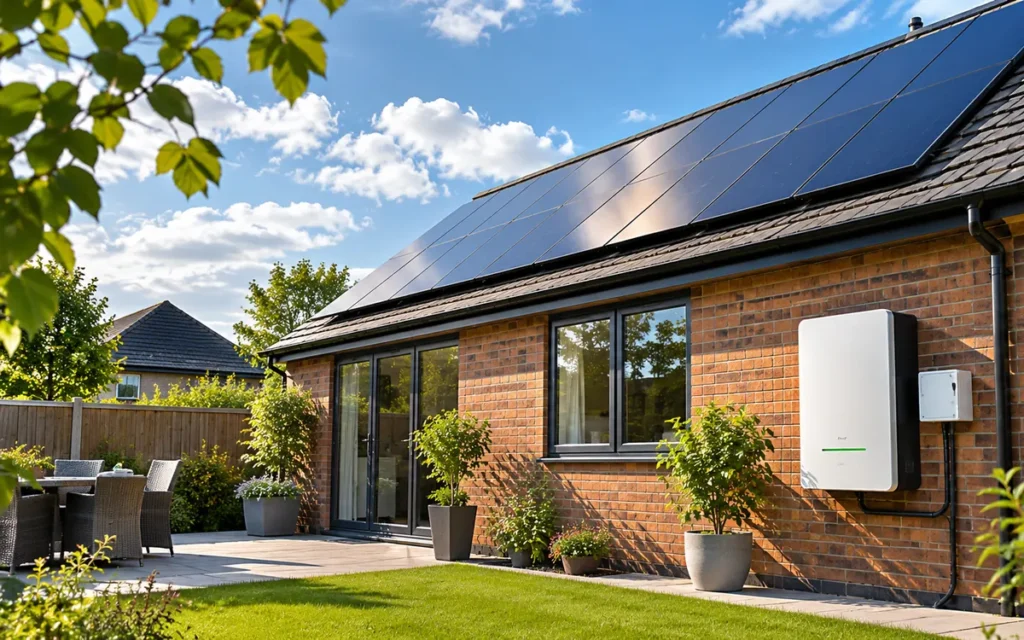
Adding a battery raises the cost, but it lets you use more of your own power in the evening and can provide backup in a power cut. It also opens up cheaper overnight charging on time-of-use tariffs.
The trade-off is a longer payback for some homes. Our home battery storage page and solar payback calculator help you weigh the pros and cons of solar panels with and without storage. The Energy Saving Trust also publishes independent guidance.

Frequently asked questions
Do solar panels add value to a house?
They can make a home more attractive to buyers, especially with a good EPC and transferable warranties, but the effect on value varies.
Do solar panels work in winter?
Yes, but output is much lower because days are shorter and the sun is lower.
Is solar worth it if I am out all day?
It can be, especially with a battery. Without storage, more of your generation will be exported.
Thinking about this for your home? We will assess your property before recommending anything. Prefer email? info@sunvolthome.co.uk
Official sources and further reading
Information checked on 28 October 2026. Rules, rates and schemes change; always confirm current details with the official source.
Seasonal variation
Solar output changes through the year. Most electricity is generated from late spring to early autumn, and much less in winter, when days are short and the sun is low. A battery helps you use more of your summer generation, and Smart Export Guarantee payments can earn from what you export. In winter, expect to use more electricity from the grid.