Ways to save energy at home: a room-by-room guide
- Close curtains at dusk to keep heat in
- Keep radiators clear of sofas and long curtains
- Set radiator valves lower in rooms you use less
- Switch electronics fully off rather than leaving them on standby
- Use LED bulbs and switch off lights in empty rooms
Start here, because these cost nothing and you can do them tonight. The trick is to focus on heat and hot water first, since that’s where most household energy goes.
- Turn the thermostat down by one degree and see if anyone notices. Usually nobody does.
- Lower a combi boiler’s flow temperature to around 60°C so it condenses properly.
- Only heat the rooms you use, with thermostatic radiator valves set lower in spare rooms.
- Fill the kettle with what you need, not to the top.
- Switch appliances off at the wall rather than leaving them on standby.
- Shift washing and dishwasher runs to off-peak hours if you’re on a time-of-use tariff.
None of these will halve a bill on their own. Together, they’re often worth more than people expect, and they make every upgrade you do later work harder. The Energy Saving Trust publishes useful, independent figures if you want to check the savings for your home type.
If you’re wondering which of these ways to save energy at home to try first, start with the thermostat and the boiler flow temperature. They take two minutes, cost nothing, and affect the biggest part of most bills. Then work through the rest of the list over a week or two.
Once the free habits are in place, the next ways to save energy at home cost money but pay it back. Roughly in order of payback:
Of the paid ways to save energy at home, loft insulation to around 270mm is cheap and fast. Cavity wall insulation, where your walls suit it, is the next big win. LED bulbs throughout cost little and last years. Smart heating controls help if your routine is irregular.
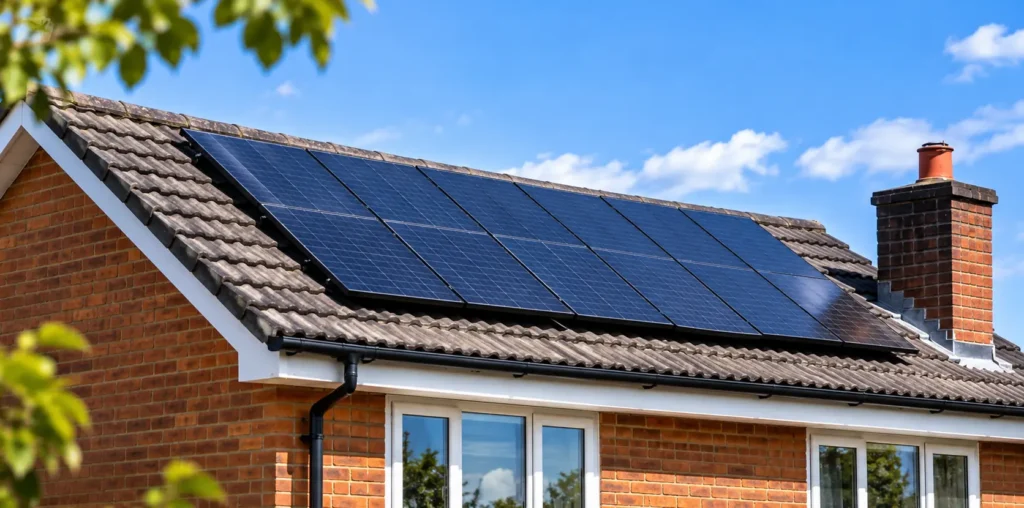
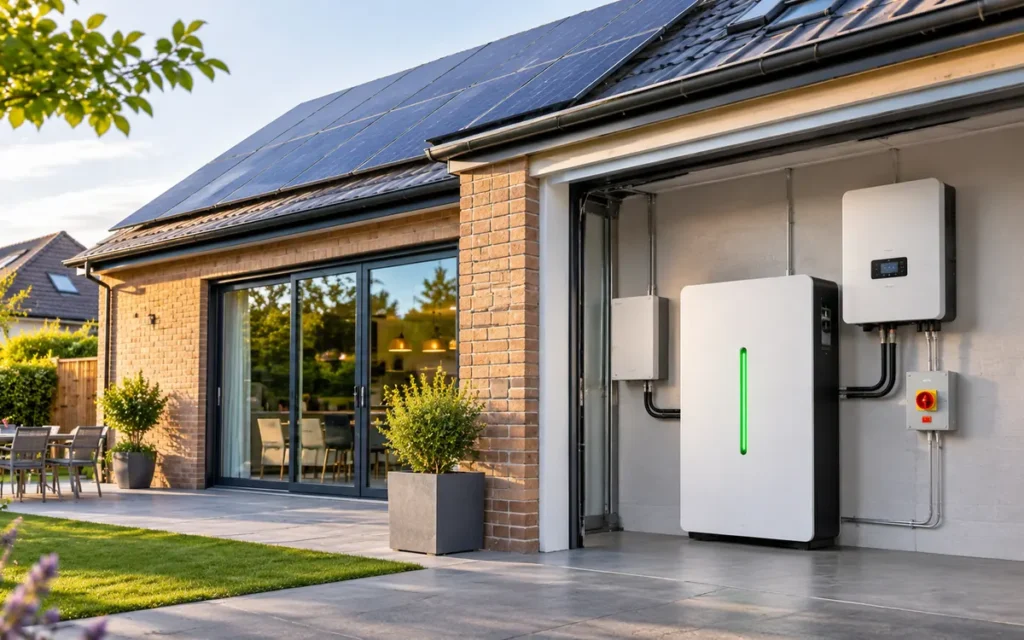
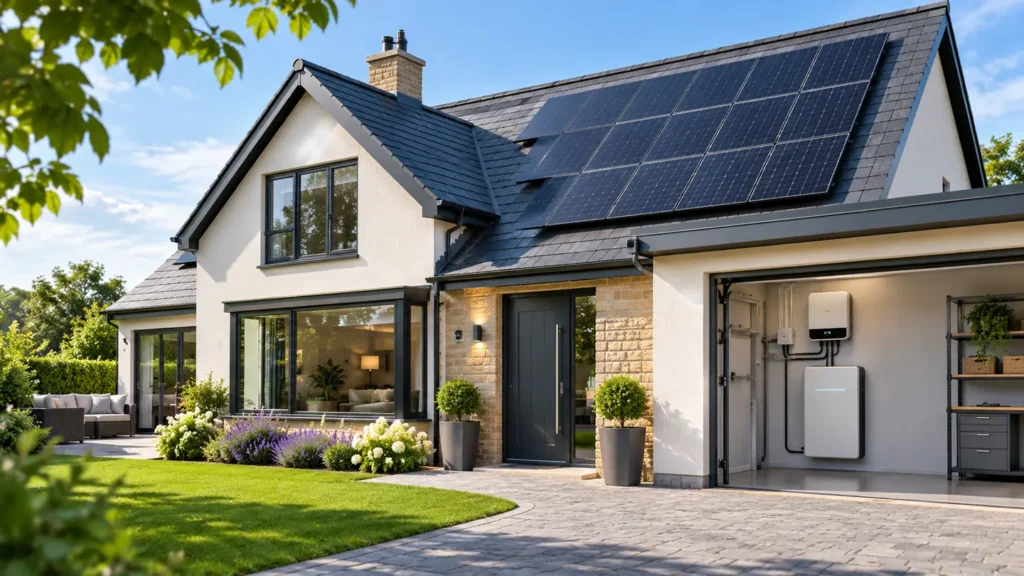
Then come the bigger projects. Solar panels cut what you buy from the grid during the day, and a home battery lets you use that power in the evening. Our solar payback calculator gives a rough figure for your own home.
One honest point: the best ways to save energy at home depend on the house. A well-insulated new build gets more from solar. A draughty Victorian terrace gets more from insulation first. A survey tells you which one you are.
A simple way to prioritise: write down your three biggest energy users. For most homes that’s heating, hot water and cooking or laundry. Tackle those first with the free habits above, then pick one paid upgrade a year. Track the result on your smart meter so you can see which ways to save energy at home actually worked for you, rather than relying on averages. Small, steady changes beat a big burst of effort that’s forgotten by spring, and they’re the ways to save energy at home that tend to stick.