The UK Solar Roadmap: what the 2030 plan means for households

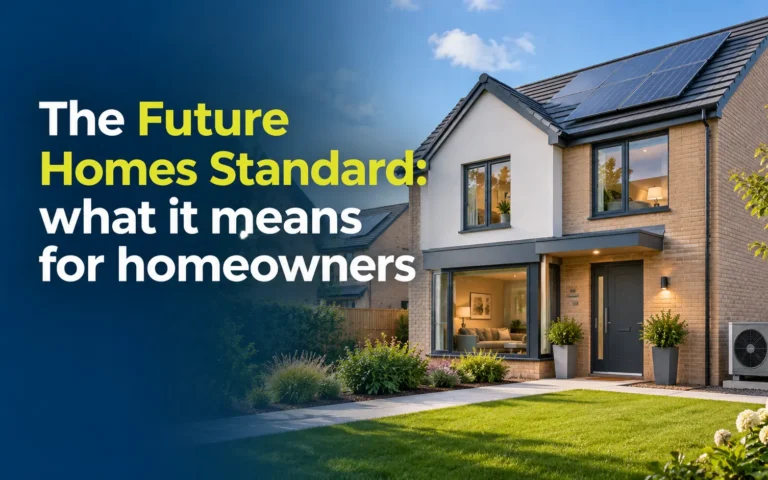
- New homes: solar on most new builds through the Future Homes Standard
- Existing homes: action on finance and on making sure solar is valued properly when homes are bought and sold
- Renters and flats: a safety review of plug-in solar, which plugs into a socket and is common in Germany
- Landlords and tenants: guidance on accommodating rooftop solar
In March 2026 the government said plug-in solar would become available for self-installation within months. Plug-in kits are small, though; they complement rather than replace a properly designed rooftop system.

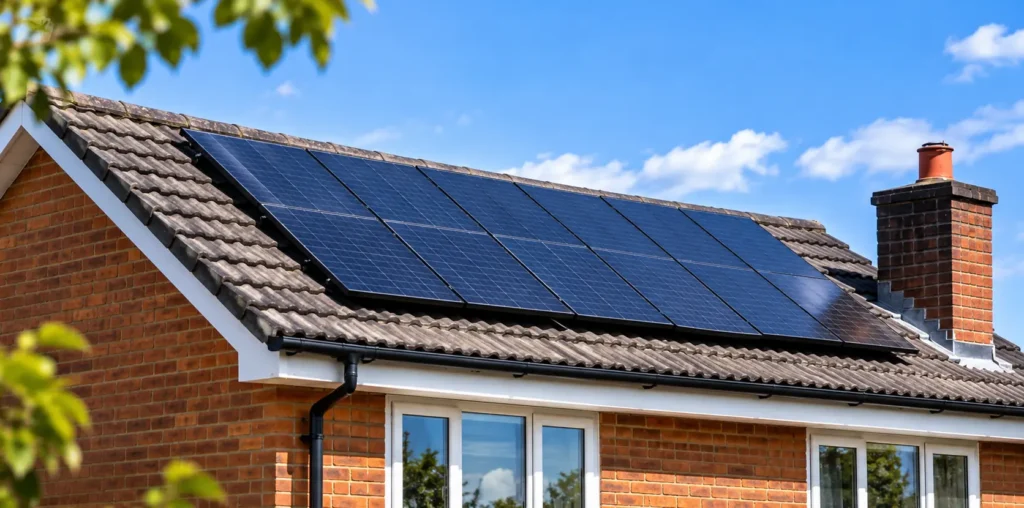
The government published its Solar Roadmap in June 2025, aiming for roughly 45 to 47GW of solar across the UK by 2030. That’s a big jump, and a meaningful share of it is expected to come from rooftops, not just solar farms.
For homeowners in the North East, the practical effects are easier finance, more installers, and more homes with solar on the street. The government-backed loan scheme that opened in 2026 is one direct result of that push.
What the UK solar roadmap 2030 doesn’t do is change the physics. A south-facing roof in Durham still produces less than one in Cornwall, though far more than most people assume. And a roadmap is a plan, not a guarantee, so treat target figures as direction rather than certainty.
A useful way to think about it: national targets tell you the direction of travel, while your survey tells you what makes sense for your house. Roof direction, shading, how much power you use in the evening and whether you want a battery all matter far more to your savings than any national figure. Start with those, and treat the UK solar roadmap 2030 as good news in the background.
Busy markets attract cowboys. As demand grows, so do cold calls and doorstep offers. A few rules keep you safe:
- Only use an MCS certified installer. Most finance and export payments need it.
- Get a fixed, written quote after a proper survey, not a price over the phone.
- Compare cost per kW and expected yearly generation, not just the headline price.
- Ignore any deadline pressure. A genuine quote will still be there next week.
Our solar panel cost guide shows realistic prices by system size. The UK solar roadmap 2030 makes going solar easier, but the best deal still comes from a well-designed system sized to your roof and your usage.
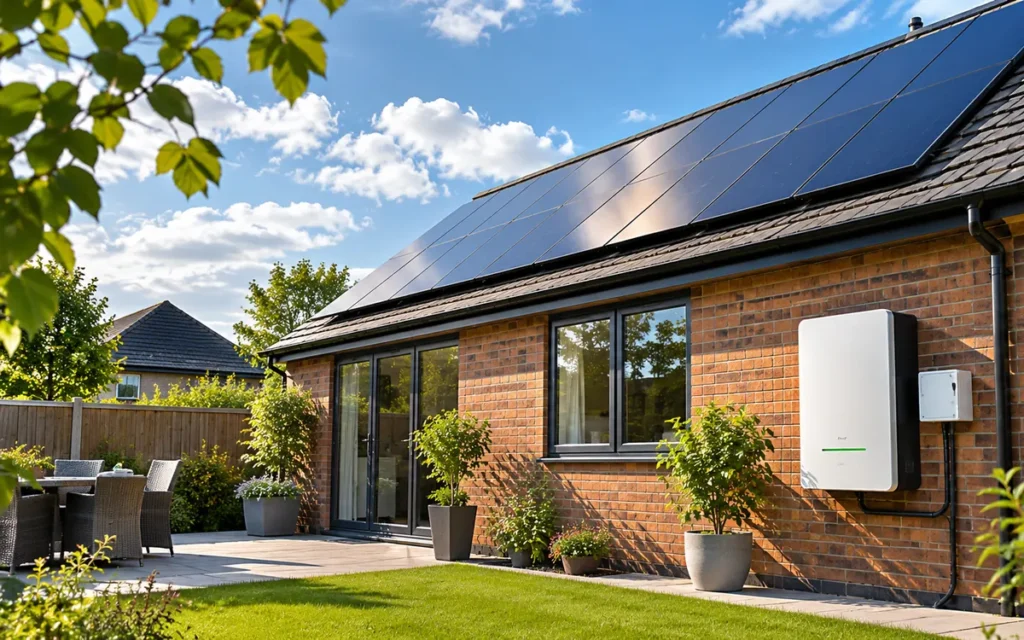
It’s also worth being clear about what the UK solar roadmap 2030 is not. It isn’t a grant, and it doesn’t pay for your panels directly. It’s a plan that shapes regulations, grid connections and finance schemes over the next few years. The practical benefits for households come through those schemes, such as easier connection rules for home batteries and the new low-interest loans.
For most homeowners, the smart move is simple: get a survey, understand what your roof can produce, and decide on the numbers. The UK solar roadmap 2030 means more people around you will be going solar, so installers will get busier. Booking early is sensible, but never at the cost of a rushed decision. Use the UK solar roadmap 2030 as context, and your own bills as the deciding factor.