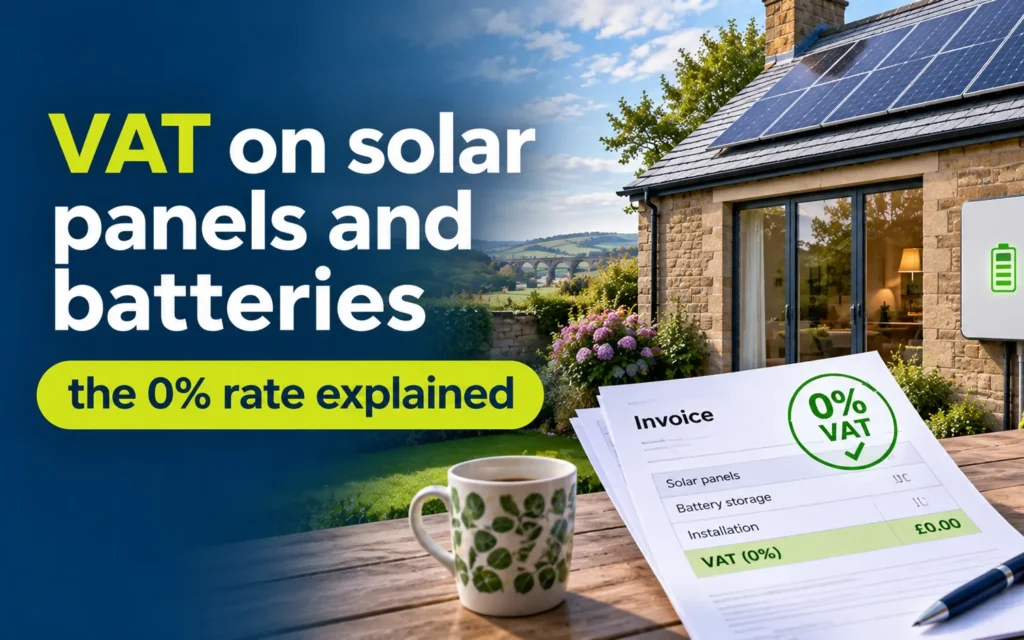
VAT on solar panels and batteries: the 0% rate explained
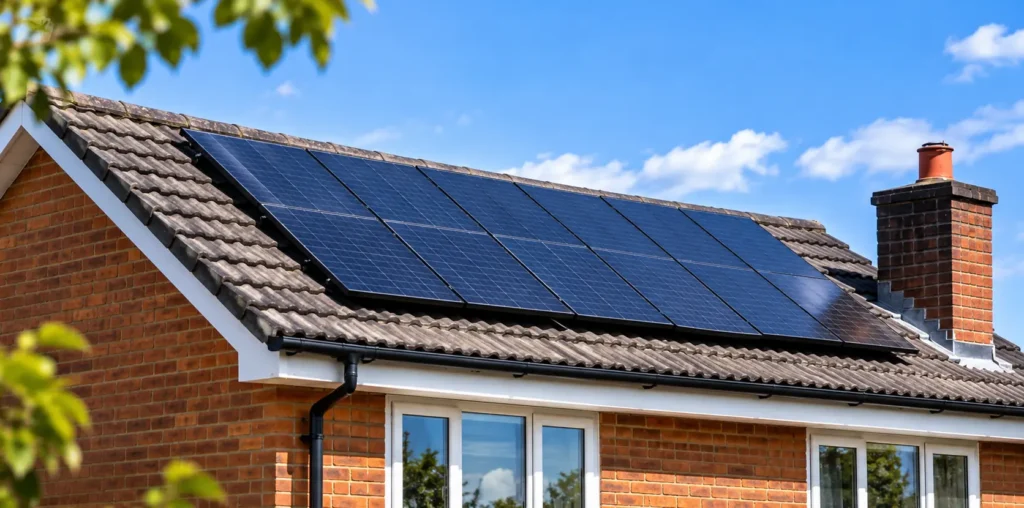
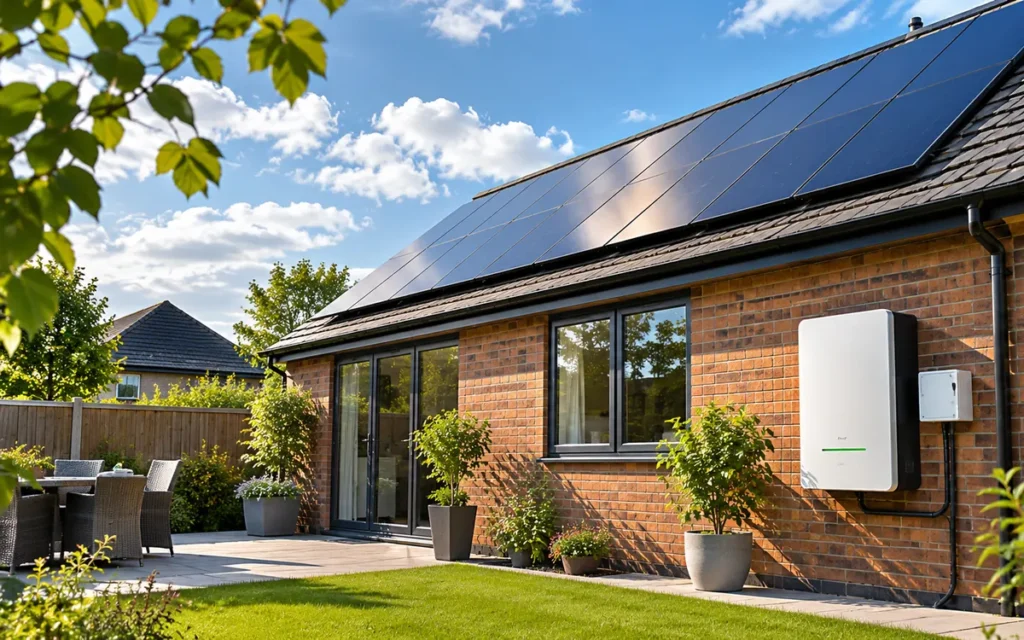
- Solar panels installed in homes, with associated equipment
- Battery storage, including batteries retrofitted to an existing system, from 1 February 2024
- Supply and installation by the same business: buying equipment on its own, without installation, does not qualify for the relief
Percentages are hard to picture, so here are real numbers. Our solar panel cost guide uses an average of about £5,840 for a 3.5kWp system. At 0% VAT, that’s what you pay. At 5%, the same system would cost about £6,132, which is £292 more. At the standard 20% rate it would be £7,008.
For a bigger system with a battery, the gap grows. A £10,000 solar and battery package would cost £500 more at 5% VAT and £2,000 more at 20%.
The relief covers the supply and installation of energy-saving materials in homes. Since 1 February 2024, it has also covered batteries fitted on their own, not just batteries installed with new panels. HMRC sets out the details in VAT Notice 708/6.
The 0% rate on VAT on solar panels runs until 31 March 2027. After that, the reduced rate for homes is due to return to 5%.
Who qualifies? Most homeowners and landlords installing panels or a battery on a home do. The rules are about the type of building and the type of work, not your income, so there’s no application form to fill in. Your installer simply charges 0% on the invoice. If they don’t, ask why before you pay, because getting VAT on solar panels refunded after the event is much harder than getting the quote right first time.
A few quick checks protect you:
- The quote should show VAT as a separate line, at 0% for eligible residential work.
- Panels, inverter, battery, scaffolding and installation labour should be on the same job if they’re part of one installation.
- Things that aren’t energy-saving materials, such as unrelated electrical work, may be charged at a different rate.
- The tax point usually decides the rate, so a job finished after 31 March 2027 may be charged at 5%, even if you signed earlier.
If you’re planning ahead, get your survey and quote booked with enough time for installation before the deadline. Our government-backed loans page explains how to spread the cost if you’d rather not pay upfront. VAT on solar panels is one of the few costs that’s simple to check, so it’s worth two minutes before you sign.
A common question is whether the 0% rate applies if you’re adding to an existing system. Generally, yes: extra panels or a battery added to a home system are energy-saving materials in their own right, so the same VAT on solar panels rules apply to the new work. What matters is that the installation is in a residential property and the work is done by the installer, not bought as loose parts.
Another frequent mix-up is with second-hand or DIY kits. Buying panels online and fitting them yourself doesn’t get the same treatment, because the relief applies to supply and installation together. For most homeowners, that means the cheapest route on VAT on solar panels is simply to use an MCS certified installer and get the job finished before the deadline.
Finally, keep your paperwork. Your invoice showing VAT on solar panels at 0%, along with the MCS certificate, is useful if you sell the house or claim export payments later.