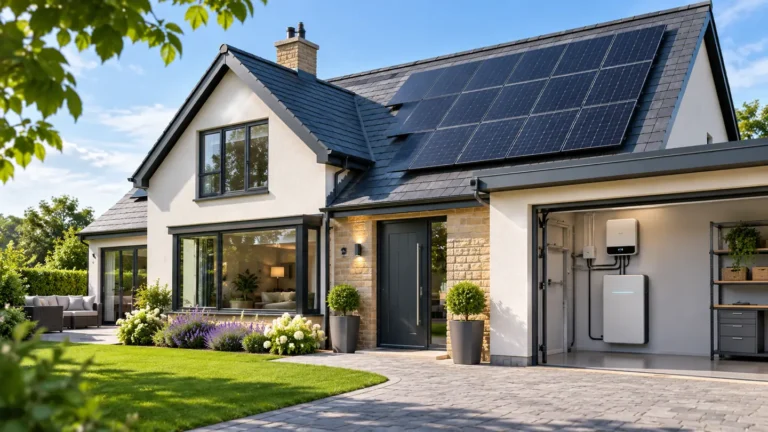
Choosing a solar PV system for your property
By Sunvolt Home 4 min read Updated 15 November 2026 Solar Panel Installation

Choosing a solar PV system is easier when you start with how your home uses electricity, not with a brochure.
Panels, inverters, optimisers and battery-ready designs: making sensible choices for your roof, budget and future plans.
Key points
- Match the design to your roof and when you use electricity.
- A hybrid inverter makes adding a battery simpler.
- Ask about certification, warranties and realistic generation estimates.
Start with how you use electricity
A household at home during the day uses more solar directly. One that is out until the evening benefits more from a battery or from a design that spreads generation across the day. Note your annual use and roughly when you use it.
Panels
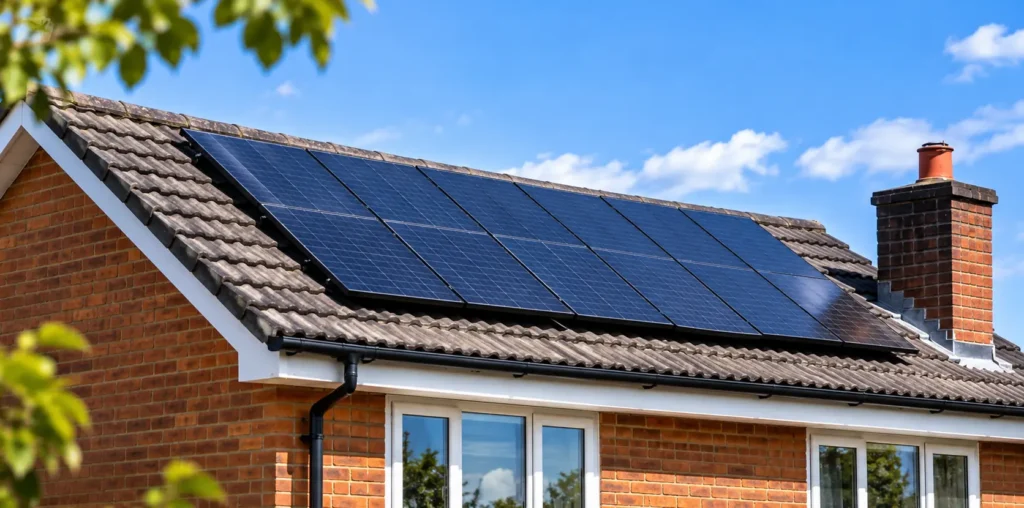
Compare wattage, efficiency, dimensions, performance warranty and appearance. On a small roof, higher-wattage panels let you fit more capacity. All-black panels are popular where appearance matters.
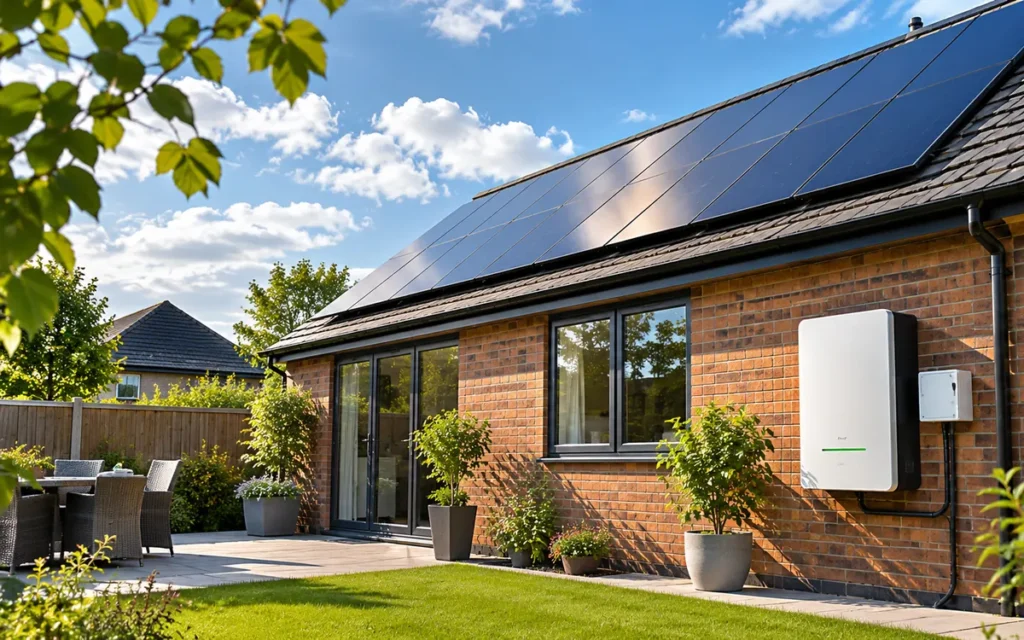
Inverters
- String inverter: a cost-effective choice for unshaded roofs on a single face
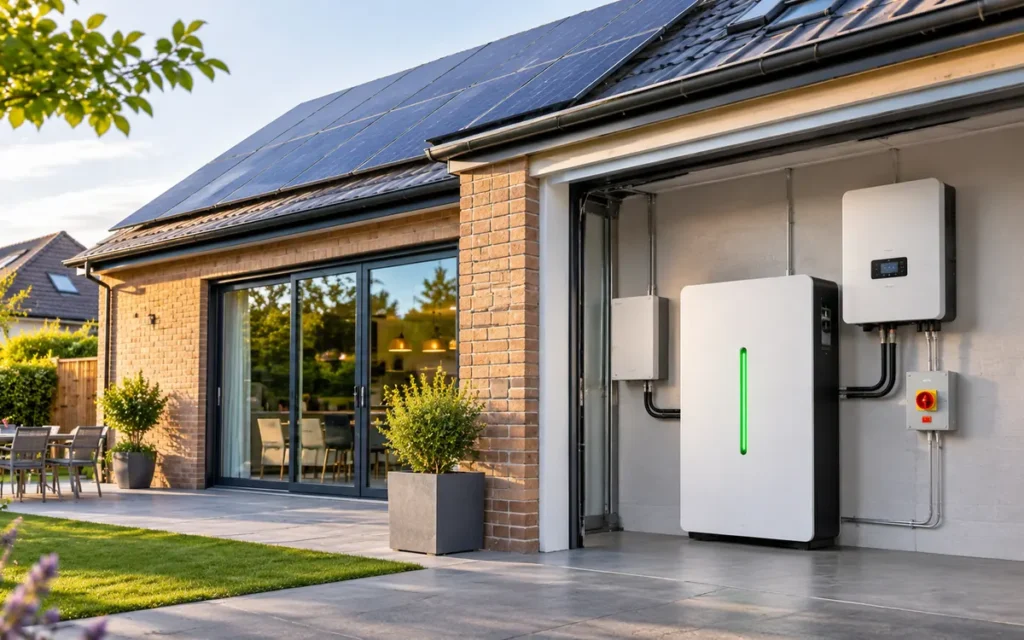
- Hybrid inverter: manages panels and a battery together and suits anyone planning storage
- Optimisers or microinverters: manage each panel individually, helping on partly shaded or multi-face roofs and giving panel-level monitoring
Planning for the future
If a battery or electric heating is likely in the next few years, tell your installer. A slightly larger or battery-ready system now can avoid replacing equipment later.
Questions to ask an installer
- Is the installation MCS certified, so it qualifies for export payments?
- How was the generation estimate calculated?
- Which warranties cover panels, inverter and workmanship, and for how long?
- Will you notify the network operator, and is approval needed before installation?
- What monitoring is included?
Sizing a solar PV system for your home

Start with your annual electricity use, which is on your bill or supplier app. As a rough rule in northern England, each 1kWp of well-placed panels makes somewhere around 800 to 900kWh a year. So a home using 3,500kWh might look at a 3.5 to 4.5kWp solar PV system.
Then check the roof. Usable area, orientation and shading decide what will actually fit and how much it will make. East and west roofs can both be used, which suits homes that use more power in the morning and evening.
Finally, think five years ahead. An electric car, heat pump or home office can raise usage a lot. It is usually cheaper to size the solar PV system for that now, or at least choose an inverter that can grow, than to add panels later. Our guide to how many solar panels you need goes into more detail.
Solar PV system checklist before you sign

- Is the installer MCS certified? You need this for most finance and export payments.
- Does the quote show the expected yearly generation, and how it was calculated?
- What panels and inverter are proposed, and what are the product and performance warranties?
- Is the inverter battery-ready, or is a home battery included?
- Who handles the network operator notification and the MCS certificate?
- What is the workmanship warranty, and is it insurance-backed?
A well-designed solar PV system should come with clear answers to all of these. If anything is vague, ask again or get a second quote. A few days of checking is worth it for a system that should run for decades.
Frequently asked questions
Should I choose the most efficient panels?
Only if roof space is limited or the price difference is small. On a large roof, cost per kWp may matter more.
Can I add panels later?
Sometimes, but it depends on inverter capacity and network approval. It is simpler to plan the right size from the start.
Thinking about this for your home? We will assess your property before recommending anything. Prefer email? info@sunvolthome.co.uk
Official sources and further reading
Information checked on 25 October 2026. Rules, rates and schemes change; always confirm current details with the official source.