Free Quote

Solar panel installation costs in the UK: what affects the price
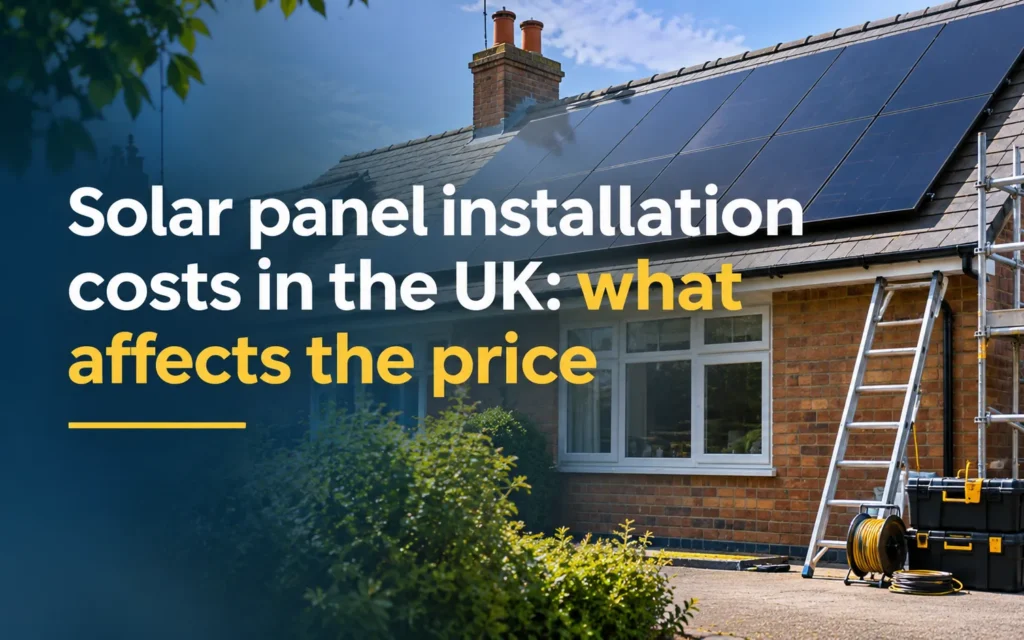
Brick bungalow with new solar panels, scaffolding and installer tools, with the title Solar panel installation costs in the UK: what affects the price

Solar panel installation costs vary from home to home, so this guide explains what drives the price rather than quoting one number.

Why solar quotes vary, what a good quotation should include, and how to compare like with like.

Key points

Why we do not publish a single price

Two homes with the same number of panels can have very different installation costs. Scaffolding, roof type, cable routes and electrical upgrades vary from house to house, so we provide a written, itemised quotation after assessing your property.

That is why solar panel installation costs are best judged from a survey of your own home rather than a national average.

What affects the cost

  • System size in kWp and the number of panels
  • Panel type, wattage and appearance
  • Inverter: standard string, hybrid (battery-ready) or optimisers and microinverters
  • Scaffolding, roof height and access
  • Roof type: tiles, slate or flat roof frames
  • Electrical work, such as a consumer unit upgrade
  • Extras such as a battery or bird protection
Solar panels and inverter on a semi-detached home, an example of typical solar panel installation costs

VAT

HMRC confirms that installing solar panels in residential accommodation is zero-rated for VAT until 31 March 2027, after which the rate is due to become 5%. The relief applies when the installer supplies and fits the equipment. See our VAT guide.

What a good quotation includes

  • Panel and inverter make, model and quantity
  • System size in kWp and an estimated annual generation figure
  • Roof layout and any shading assumptions
  • Scaffolding, electrical work and making good
  • Warranties for equipment and workmanship
  • Certification, for example MCS, which matters for export payments
  • Payment terms and timescales

Comparing quotes fairly

Look at cost per kWp and the estimated annual generation, not just the total price. Check that each quote includes the same things and that the generation estimates use realistic assumptions for your roof. Be cautious about guaranteed savings figures: actual savings depend on your usage and tariff.

Comparing on this basis makes solar panel installation costs from different companies far easier to judge fairly.

Working out payback for your home

A simple estimate: add the value of the solar electricity you expect to use yourself (kWh × your unit rate) to your expected export payments (kWh × your export rate), then divide the installed cost by that yearly figure. Use your installer’s generation estimate, a realistic self-consumption share and your actual tariffs. Treat the result as a guide, because rates change over time.

We do not publish typical savings figures, because they depend heavily on your tariff, your usage and how much you export.

Costs over the system's life

  • Inverters usually need replacing at some point during the panels’ life; ask what replacement would involve
  • Optional periodic inspections, especially if output drops
  • Bird protection, if pigeons are common locally
  • Scaffolding, if work on the roof is needed again later

Factoring these in gives a truer picture of solar panel installation costs over the whole life of the system.

Ways to spread or reduce the cost

Installation of solar panels and batteries in homes is zero-rated for VAT until 31 March 2027. Some lenders offer green mortgages, additional borrowing or cashback for energy-efficiency improvements; terms change often, so check the current offers directly. If you use finance, compare the total amount repayable, not just the monthly payment.

Solar panel installation costs by system size

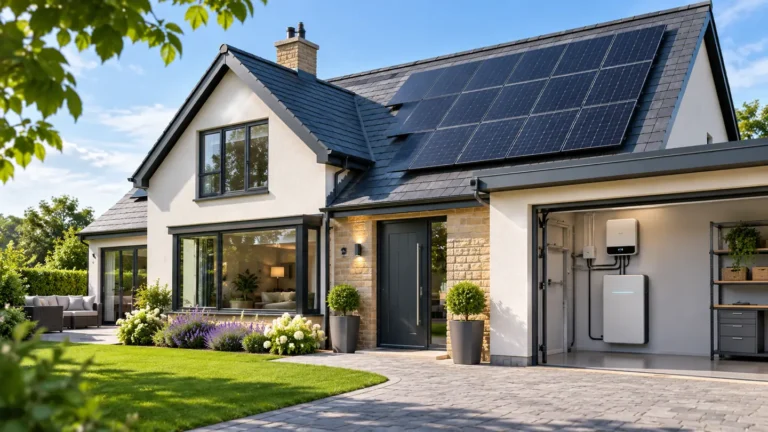
Brick house with a mid-sized solar system, showing how system size affects solar panel installation costs

System size is the biggest single driver. A small 2 to 3kWp array suits a low-use home or a small roof. Most family homes land somewhere around 3.5 to 5kWp. Larger homes, or those planning for an electric car or heat pump, may go bigger.

Our solar panel cost guide shows typical price ranges by system size as a reference point. Bigger systems cost more in total but usually less per kW, because scaffolding, design and labour are spread over more panels.

Adding a battery raises the total but can improve how much of your solar you actually use. When comparing solar panel installation costs, always compare like with like: the same size, panel quality, inverter type and warranty length.
Hidden solar panel installation costs to ask about

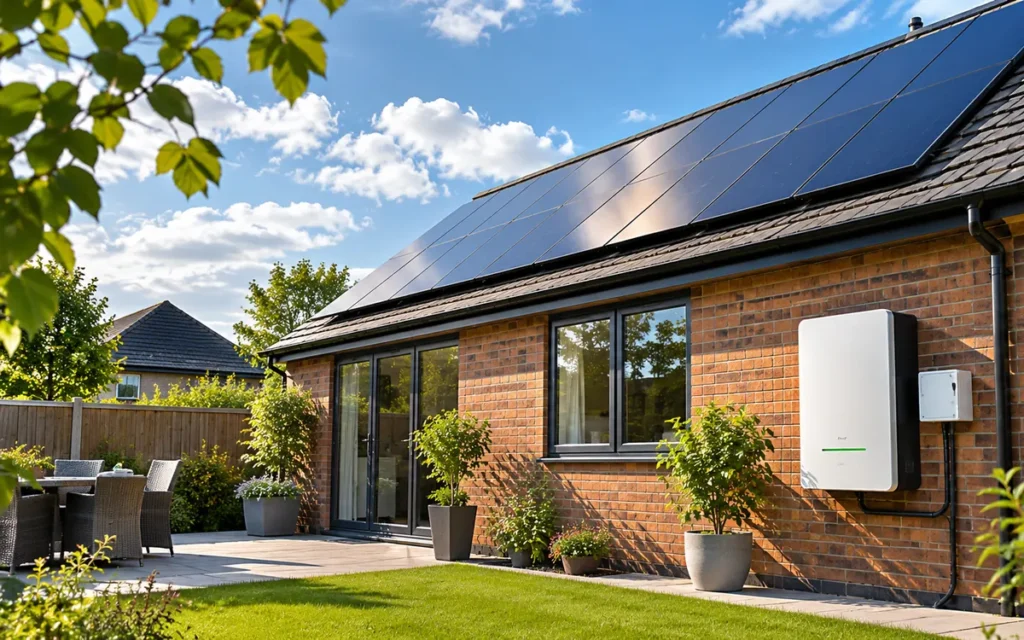
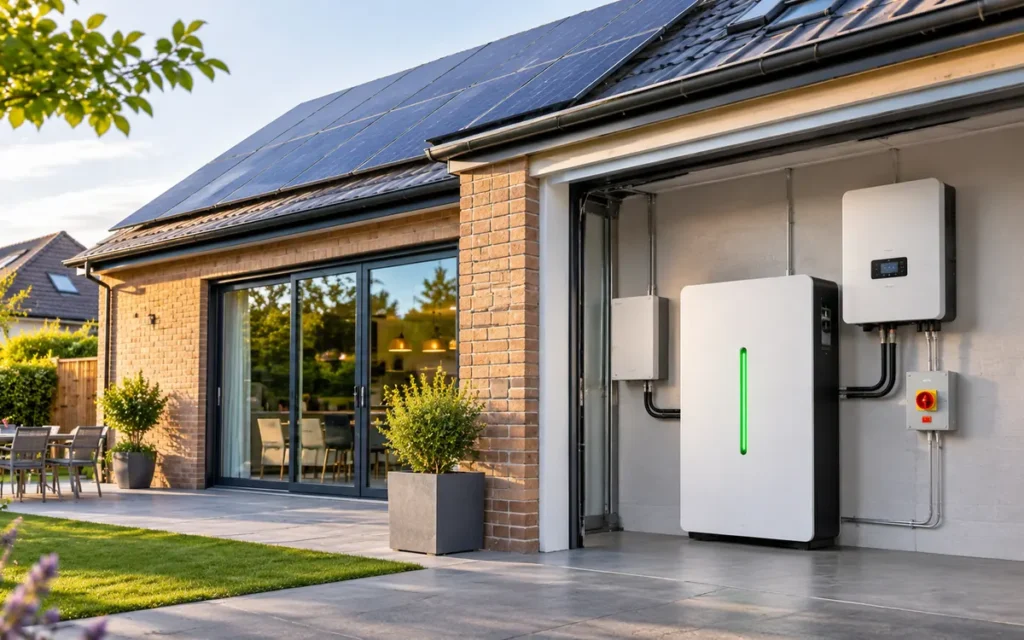
Home battery and inverter on a wall, an optional extra in solar panel installation costs

A low headline price can hide extras. Ask whether the quote includes:

  • Scaffolding, including any for tricky access or conservatories
  • Bird protection mesh, which is cheaper to fit at the start
  • Optimisers for shaded or split roofs
  • A consumer unit upgrade, if your current one is old
  • The network operator application for larger systems
  • Monitoring, and how long the app or data is supported

None of these is unusual. The problem is only when they appear after you have signed. A good quote lists everything, shows VAT clearly (currently 0% for homes until 31 March 2027, per HMRC guidance), and states the expected yearly generation.

If the upfront amount is the barrier, government-backed loans can spread solar panel installation costs over several years at a lower rate.
Frequently asked questions

Payment terms vary between installers. Your quote should state them clearly, along with any protection for deposits.

Spreading solar panel installation costs can help, but always compare the total amount repayable.

They can make a home more attractive to buyers, especially with good paperwork and transferable warranties, but the effect varies and is not guaranteed.

Thinking about this for your home? We will assess your property before recommending anything. Prefer email? info@sunvolthome.co.uk

Official sources and further reading

Information checked on 28 October 2026. Rules, rates and schemes change; always confirm current details with the official source.

Thinking about an upgrade?

Tell us about your home and we will help you work out what is worth doing.

Prefer email? info@sunvolthome.co.uk

Get A Quote
Questions?Chat on WhatsApp