
Free Quote

How to improve your home’s EPC rating
Sunny living room with a smart thermostat and draught excluder, with the title How to improve your home’s EPC rating

If you want to improve your EPC rating, the order you do things in matters almost as much as what you do.

An Energy Performance Certificate rates your home from A to G. Here is how to read yours, what drives the score, and the upgrades that usually move it up.

Key points

What an EPC measures

An Energy Performance Certificate estimates how much energy a home uses for heating, hot water and lighting, and how much it costs and emits, based on the building rather than the people living in it. Homes are rated from A to G. You need a valid EPC to sell or let a property, and a certificate lasts ten years. You can look up any existing certificate on GOV.UK.

Read your recommendations first

The second page of your EPC lists improvements suggested for your property, with a typical cost and the rating you might reach. It is the best starting point because it reflects your home’s construction, not a generic checklist.
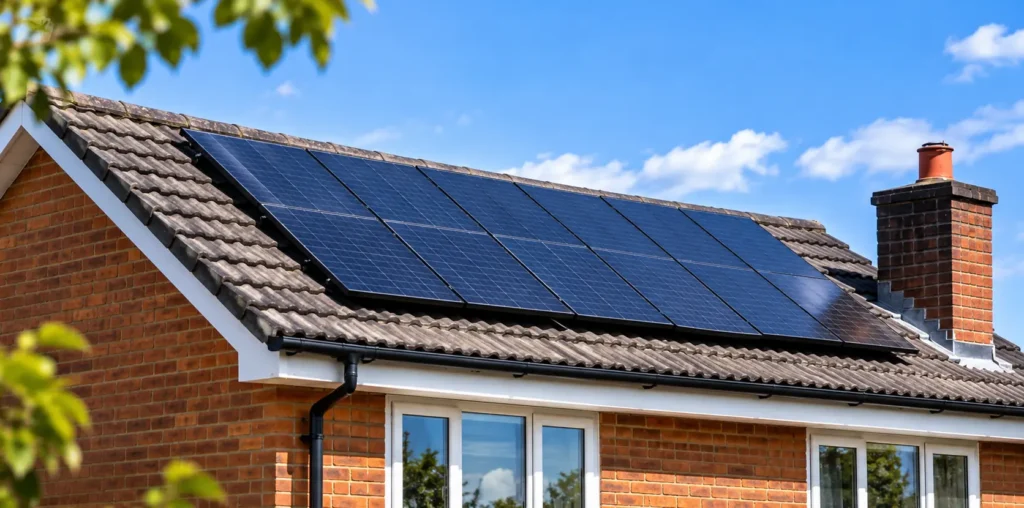
Brick house with solar panels on the roof, one of the upgrades that can improve your EPC rating

Upgrades that usually help

  • Insulation: loft, cavity or solid wall insulation where suitable
  • Heating and controls: an efficient heating system, programmer, room thermostat and radiator valves
  • Hot water: an insulated cylinder and controls
  • Glazing and draughts: double or triple glazing and draught-proofing
  • Lighting: low-energy LED lighting throughout
  • Solar PV: generating electricity on site counts towards the rating

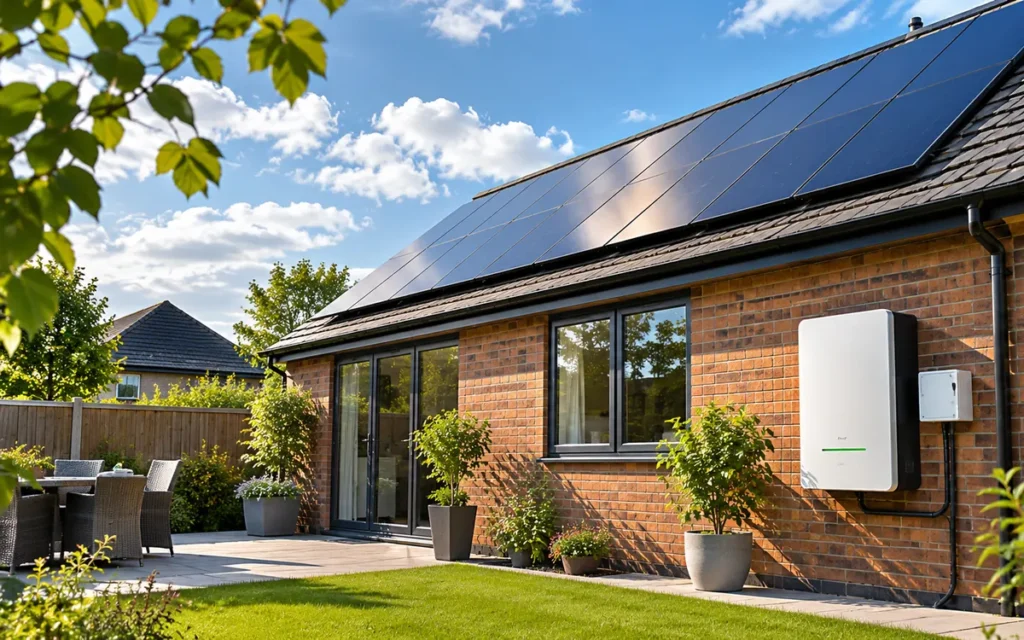
Solar panels often make a noticeable difference to a rating because they offset purchased electricity. A home battery helps you use more of that generation, although how batteries are reflected depends on the assessment method in use.

Planning whole-home upgrades

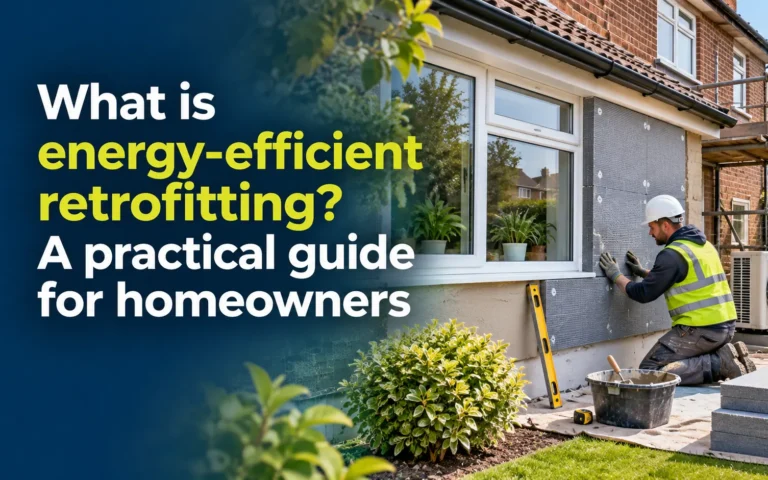
If you want to move up more than one band, plan the work as a package rather than a series of unrelated jobs; see what energy-efficient retrofitting involves. When the work is done, a new EPC records the improved rating.

How to improve your EPC rating in a sensible order

Solar panels and an inverter on a brick semi, fitted after insulation to improve the EPC rating

Every EPC is built on a points score from 1 to 100 or more, and the band is just a label for that number. Band C starts at 69 points, band B at 81 and band A at 92. So the useful question isn’t “what’s my letter?” It’s “how many points am I short?”

A home sitting at 66 points needs three more to reach C. That might be a loft top-up and a new thermostat. A home at 48 needs over twenty, which usually means insulation, heating and solar together. Check your number on the GOV.UK EPC register before you spend anything to improve your EPC rating.

Here’s the order we’d normally suggest to improve your EPC rating without paying twice:

  1. Loft and cavity insulation, because they’re cheap and make every later upgrade work better.
  2. Draught-proofing and heating controls: a programmer, room thermostat and thermostatic radiator valves.
  3. LED lighting throughout. Small, but it counts.
  4. Heating system upgrades, once the house loses less heat.
  5. Solar panels, which often add several points on their own.
  6. A home battery to use more of what the panels make.

Doing solar before the loft isn’t wrong. It just means your heating bill stays high while your rating climbs.

Not sure where to start? A free survey shows which steps will improve your EPC rating fastest in your home. If money is tight, improve your EPC rating with the cheapest points first, then add the bigger upgrades as your budget allows.

What it's worth when you improve your EPC rating

Detached home with solar panels and a battery, the kind of upgrade that can improve your EPC rating

When you improve your EPC rating, you get more than a nicer certificate. There are three places it shows up in real money.

First, bills. The EPC is a model, not a meter reading, but homes that move up a band usually do use less energy for heating and hot water. Second, borrowing. Several UK lenders offer green mortgages or better rates for homes rated A or B, so it’s worth asking your lender before you remortgage. Third, renting. If you let a property, the legal minimum is currently band E, and the government has said it wants privately rented homes to reach band C by 2030.

One honest caveat. Your rating can drop when the assessment method is updated, even if you’ve changed nothing, because the calculations get revised from time to time. That’s another reason to work from your points score rather than chase a letter.

If cost is the barrier, our government-backed loans page explains how low-interest finance can spread the cost of solar and a battery. The quickest way to improve your EPC rating with solar is to get a survey first, so you know what your roof can actually take.
Frequently asked questions

Usually, yes. On-site electricity generation is included in the assessment and often raises the rating, depending on the system size and the rest of the home.

Ten years, unless a new certificate is produced, for example after improvements.

Search by postcode on GOV.UK’s find an energy certificate service.

Thinking about this for your home? We will assess your property before recommending anything. Prefer email? info@sunvolthome.co.uk

Information checked on 31 October 2026. Rules, rates and schemes change; always confirm current details with the official source.

Thinking about an upgrade?

Tell us about your home and we will help you work out what is worth doing.

Prefer email? info@sunvolthome.co.uk

Get A Quote
Questions?Chat on WhatsApp